Pathways That Handle Daily Foot Traffic
Sidewalk & Walkway Cleaning in Parsippany for entry areas showing mildew growth and accumulated dirt
Sidewalks and walkways develop slippery patches where mildew grows in shaded sections, collect dirt that embeds into textured surfaces, and show discoloration that makes entry areas look unkempt no matter how well the rest of the property is maintained. Entry pathways see constant use and exposure to weather, foot traffic, and organic debris that accelerates deterioration if not cleaned routinely. Cleaning Under Pressure provides sidewalk and walkway cleaning in Parsippany for residential and commercial properties where first impressions and safety depend on clean, functional pathways.
The cleaning process removes dirt and organic material that standard sweeping or hosing cannot address because the material has bonded to the porous surface or grown into the texture of the concrete or pavers. Mildew forms in areas where moisture lingers—under tree cover, along north-facing walls, or in sections where drainage keeps surfaces damp longer than surrounding areas. This growth creates a slick surface when wet and gradually darkens the walkway as it spreads, making paths visibly dirtier and functionally more dangerous during rainy conditions common in Parsippany.
Schedule a property evaluation to determine which walkways require deep cleaning versus those that need ongoing maintenance to prevent recurring buildup.
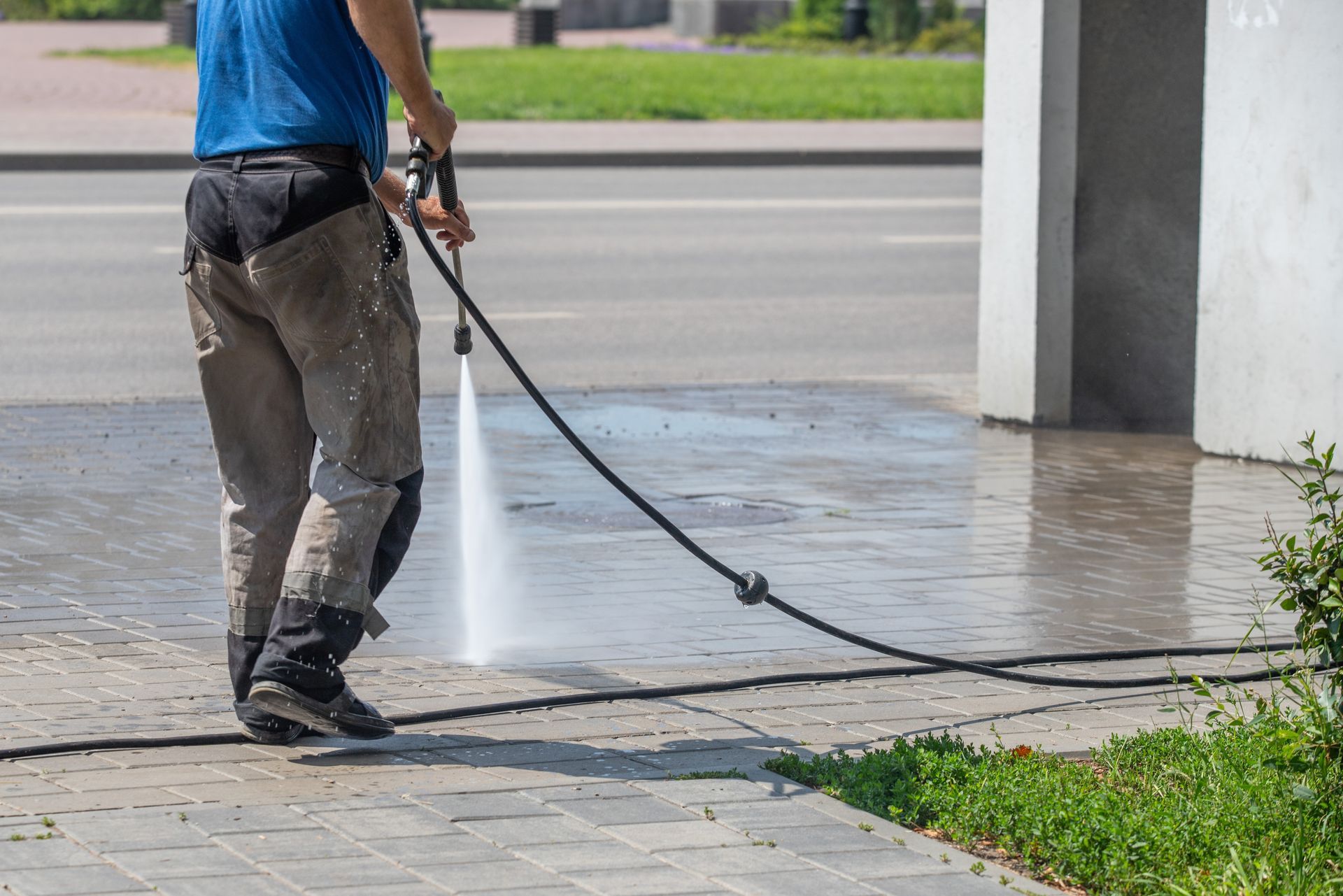
How Walkway Cleaning Addresses Surface Deterioration
Cleaning begins with surface assessment to identify whether the discoloration comes from organic growth, embedded dirt, rust staining from metal fixtures, or efflorescence from moisture seeping through the material. Each type of staining requires different treatment, and applying the wrong method can spread stains or damage the surface texture that provides traction underfoot.
After cleaning, walkways dry lighter and more uniform in color, slippery patches no longer form in shaded areas after rain, and the surface texture becomes more visible because it is no longer filled with compacted dirt. Entry areas look intentional rather than neglected, and foot traffic no longer tracks dark residue indoors from shoes picking up loosened grime. Brightened walkways improve how the entire property is perceived, as entry paths are among the first features visitors and potential buyers notice when approaching a building.
Routine maintenance programs prevent the kind of deep staining and organic growth that requires aggressive cleaning methods, which over time can wear down surface textures or loosen paver joints if performed too frequently. For high-traffic commercial properties or residential homes with covered walkways that stay damp, scheduled cleanings every four to six months maintain appearance and safety without waiting for conditions to worsen.
Common Questions About This Service
Property owners typically ask about the cleaning methods used, how to prevent recurring mildew, and what timeline to expect for routine maintenance based on how their walkways are used and positioned.
What causes mildew to grow on sidewalks and walkways?
Mildew thrives in damp, shaded areas where sunlight does not dry surfaces quickly after rain or morning dew, making north-facing walkways or paths under tree cover more prone to organic growth than open, sunny sections of the property.
How does cleaning affect pavers versus poured concrete walkways?
Pavers require careful pressure control to avoid dislodging joint sand or shifting individual stones, while poured concrete can tolerate more aggressive cleaning but may show etching if pressure is too high or applied inconsistently across the surface.
Why do some walkways darken again quickly after cleaning in Parsippany?
Properties with heavy tree cover or poor drainage will see faster re-soiling because organic debris continues to fall on the surface and moisture keeps it damp long enough for new mildew to establish, so addressing drainage or trimming overhead branches helps extend cleaning results.
What is included in a walkway cleaning service?
The service covers the walking surface itself, edges where dirt accumulates, and often includes steps or landings that connect to the main pathway, though surrounding landscaping beds or adjacent surfaces like driveways may require separate attention depending on project scope.
How long do cleaned walkways take to dry before normal use resumes?
Most walkways dry within one to three hours depending on weather conditions and surface material, with textured concrete drying faster than smooth pavers that hold water in low spots or uneven sections.
Cleaning Under Pressure restores walkways and entry paths for both residential and commercial properties where appearance and safety affect daily use. Contact us to arrange a detailed estimate based on total walkway length, surface condition, and whether ongoing maintenance scheduling would benefit your property.