
Fences That Look Maintained, Not Weathered
Fence Pressure Washing in Parsippany for wood, vinyl, and composite fencing with discoloration and surface grime
Wood fences gray and accumulate mildew in damp climates, vinyl fencing develops streaks and algae growth along lower sections, and composite materials show dirt buildup in textured surfaces that dulls their appearance. These conditions make fences look older and neglected, reducing property curb appeal and complicating plans to stain or paint wood fencing. Cleaning Under Pressure provides fence pressure washing in Parsippany using techniques adjusted to each material's tolerance, removing discoloration and grime without damaging the surface or forcing water into sealed joints. The process restores the intended appearance and prepares fences for protective coatings if planned.
This service is needed when fences show visible weathering, when wood fencing will be stained or painted, or when vinyl and composite materials have lost their original color under layers of dirt and organic growth. The cleaning removes the buildup that shortens fence lifespan by trapping moisture against the material and accelerating rot or warping.
Arrange an on-site consultation to review fence material, length, and current condition.
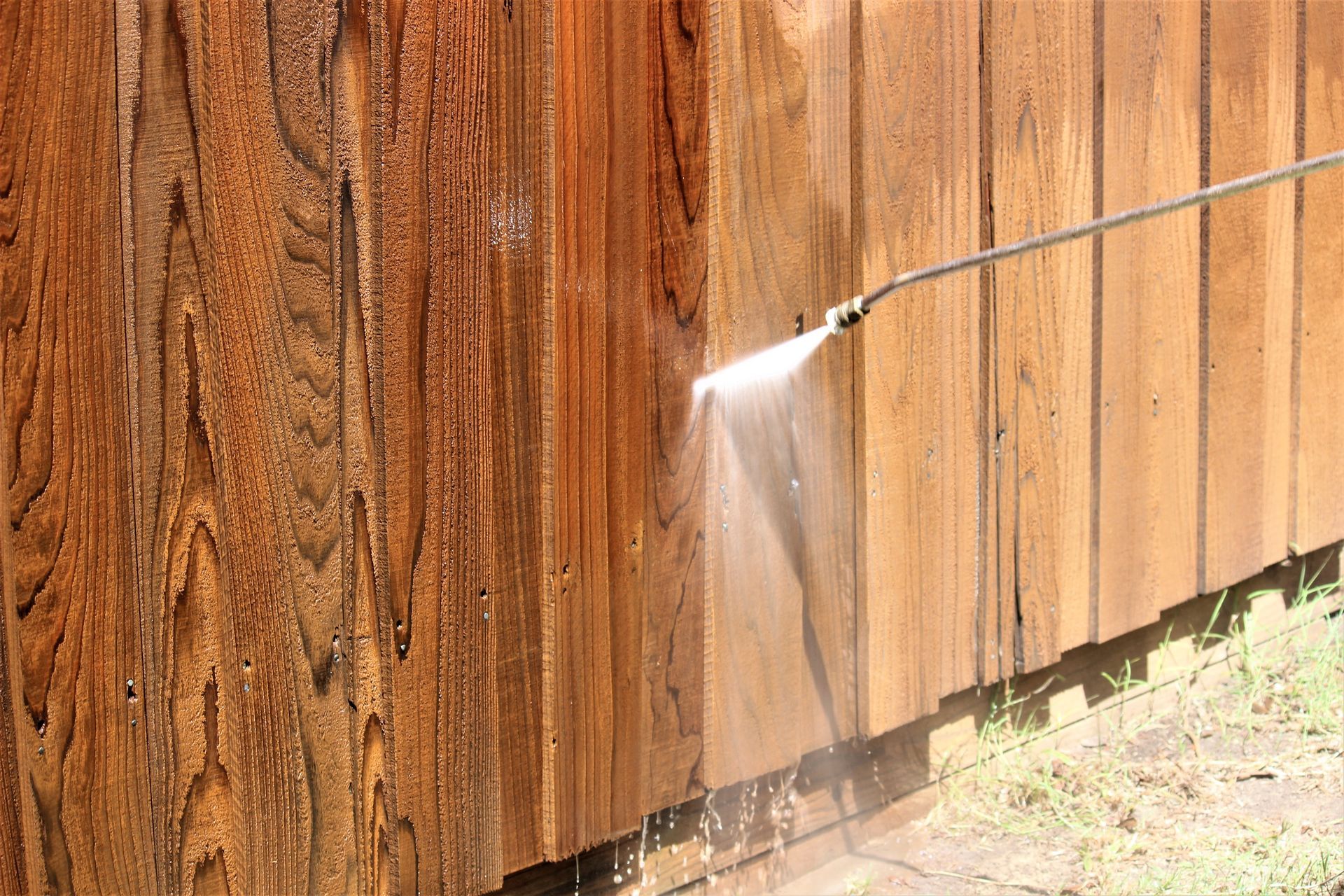
The Difference Between Wood and Vinyl Fence Cleaning
Wood fencing requires lower pressure to avoid splintering or gouging the grain, with cleaning focused on lifting mildew and restoring the natural wood color beneath gray oxidation. Pressure that is too high raises the grain and creates a rough surface that absorbs stain unevenly. Vinyl fencing tolerates slightly higher pressure but needs careful attention to seams and post caps where water intrusion can occur. Composite materials vary by manufacturer—some require gentler treatment similar to vinyl, while others handle more aggressive cleaning. Cleaning Under Pressure evaluates the fence material and condition before starting, adjusting pressure and cleaning agents accordingly.
After the cleaning is complete, wood fences show the natural grain and color again rather than uniform gray weathering, vinyl fencing returns to its original white or tan without streaks or green staining, and composite materials regain color consistency across all panels. Wood surfaces feel smoother and more uniform, ready for staining or sealing if that is the next step. Vinyl and composite fences look newer and better maintained, improving the overall property appearance from the street.
The service includes cleaning fence panels, posts, rails, and gates for residential and commercial properties. It does not include staining, sealing, or repairs to damaged boards or loose posts. For wood fences, the cleaning is often scheduled shortly before staining to ensure the surface is clean and dry when the stain is applied.
Answers to Frequent Service Questions
Fence cleaning involves decisions about timing, preparation, and follow-up treatments. These answers address common concerns from property owners in Parsippany.
How long should wood fencing dry before staining after cleaning?
Wood should dry for at least 48 hours in warm, dry conditions, and longer if humidity is high or temperatures are cool. Moisture trapped in the wood prevents stain absorption and leads to peeling or uneven color.
What causes vinyl fencing to turn green along the bottom?
Algae grows on vinyl surfaces in contact with soil moisture or where water splashes from irrigation. The algae feeds on organic material and thrives in damp conditions, particularly along north-facing sections that receive less direct sunlight.
Why does wood fence cleaning sometimes raise the grain?
Pressure that is too high or water applied perpendicular to the grain lifts wood fibers, creating a rough texture. Proper cleaning uses controlled pressure at an angle that follows the grain, minimizing fiber disturbance while still removing discoloration.
When is the best time to schedule fence cleaning?
Spring prepares fences for summer staining projects, while fall cleaning removes debris and organic growth before winter. Many homeowners schedule cleaning before property showings or after installing new landscaping that left dirt on fence surfaces.
What indicates a fence needs professional cleaning?
Gray or black discoloration on wood, green algae streaks on vinyl, dirt buildup in composite texture, or preparation for staining or painting all signal that pressure washing will restore appearance and prepare surfaces for protective treatments.
Cleaning Under Pressure handles fence cleaning for residential and commercial properties, with methods appropriate to wood, vinyl, and composite materials. Contact us to schedule fence cleaning based on your material type and whether staining or sealing is planned.